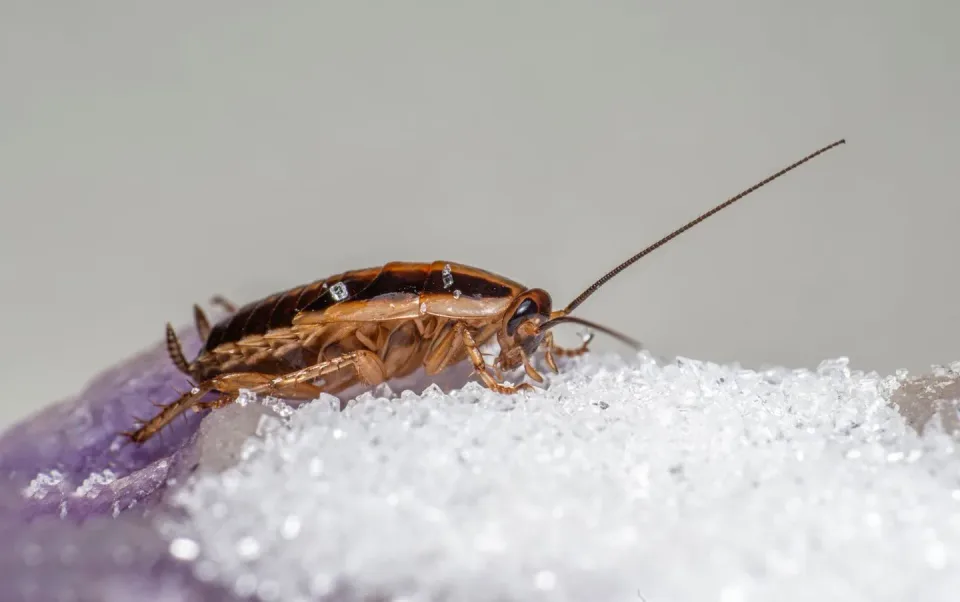
Why Do Cockroaches Show Up After Dark?
Cockroaches appearing after dark often point to nearby food, water, or shelter not simply a dirty room. Start by checking beneath the sink, behind appliances, and along cabinet edges for droppings, egg cases, or activity. A cockroach seen in the open during daylight can also mean its usual hiding places are crowded or disturbed.
A caller who says they own an apartment house with bed bugs and wants an estimate needs an inspection to understand the extent of that separate problem before deciding on treatment. Another caller asking someone to come out and kill them is looking for a direct solution; we first identify what pest is present and where it is active. Note where and when you see roaches, then ask what inspection and treatment the evidence supports.
What Do Nighttime Sightings Tell You?
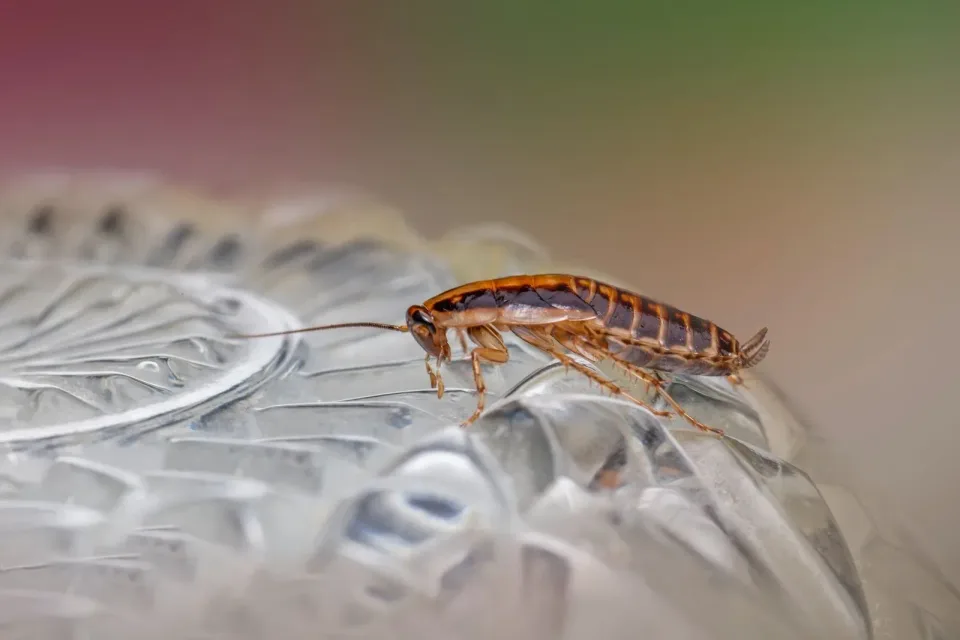
Roaches avoid light and tend to stay hidden in cracks, cabinet joints, and appliance gaps while people are active. They emerge to forage when a kitchen is quiet, so a late-night sighting can reveal a nearby food or water source. Look for pepper-like droppings, shed skins, or small dark marks near warm appliances; clean the area and check again rather than relying on one sighting alone.
A single insect does not confirm a large infestation, but repeated sightings in the same spot deserve attention.
Which Kitchen and Plumbing Spots Should You Check?
Begin with the refrigerator motor area, stove edges, dishwasher, and the cabinet under the sink. Check for leaks, damp cloths, crumbs, grease, and unsealed food. Roaches need access to water, so even a slow drip or moisture around a pipe can keep a harborage suitable. Empty and inspect stored items carefully; avoid moving possible egg cases from one room to another.
Cold, snowy winters can bring freeze-prone pipes and foundation gaps into focus. Seasonal flooding can leave standing water or moisture intrusion; drying affected areas and fixing the water source are useful first steps, while a technician checks for pest activity.
When Is DIY Enough, and When Should You Call?
For one isolated sighting, clean up food residue, store food in closed containers, repair a minor leak, and use a monitoring device to see whether activity continues. Avoid scattering sprays around the kitchen before identifying the pest and its hiding place; a quick application can miss the harborage and make later inspection harder.
Call a professional if roaches keep appearing, you find droppings or egg cases, or activity shows up in several rooms. Our crew identifies the pest, checks likely hiding places, and explains a treatment plan suited to the property.
At the Brattleboro Museum & Art Center, visitors can see how different objects need different care; pest work also starts with identifying what is actually present, not guessing from a nighttime glimpse. If activity persists, cockroach extermination can include targeted inspection and treatment.
How Vermont Conditions Affect the Inspection
A building near Burke Mountain Resort may face different site conditions from one in a valley or town center, so we look at the property itself rather than assuming one treatment fits all. Cold, snowy winters can bring attention to freeze-prone pipes and foundation gaps, while moisture after seasonal flooding can create conditions that need correction alongside pest control.
Keep a simple record: date, room, approximate number, and whether the insect was near water, food, or an appliance. That detail helps distinguish repeated activity from a one-off encounter and directs the inspection. We explain what we found and what to address first.
Which Cockroach Check Should You Start With?
If you spot a roach after lights-out, match the next step to what you find: a moisture source calls for repair, while repeat activity may call for a professional inspection. Keep it targeted.
| Option | Best for | Key detail |
|---|---|---|
| Clean and monitor | One isolated sighting | Note the room and time; check for droppings or repeat activity |
| Fix a leak and dry the area | Damp cabinet or pipe space | Remove the water source and inspect nearby hiding spots |
| Targeted professional inspection | Repeated sightings or signs | Identify the pest and locate likely harborages before treatment |
| Treatment plan with follow-up | Confirmed, ongoing activity | Choose treatment based on inspection findings and monitor results |
Autumn leaf litter can shelter insects and rodents outdoors, so clear it away from the building where practical and keep an eye on potential entry areas. If you travel along Interstate 89, remember that route proximity does not determine what a home needs; the inspection does.
Near ECHO Leahy Center in Burlington, lakeside conditions and the individual building still matter. Ask what evidence supports the proposed next step.
What Should You Prepare Before a Roach Inspection?
Start by noting when and where roaches appear, then clear access to the areas where you have seen activity. Summer rainstorms can leave basements and crawlspaces damp, so mention moisture or leaks and provide access to those spaces when safe. Variable mountain weather also means exterior conditions can change by elevation; tell the technician about access issues rather than attempting a risky approach yourself.
A building in Montpelier Downtown Historic District may have different layouts and access points, so flag concealed or difficult-to-reach areas. Before any application, identify children, pets, and sensitive occupants, and follow the product label’s directions. Clear the area, secure food and dishes, and ask the technician what preparation and re-entry steps apply.
When Should You Get Help With Nighttime Roaches?
A roach after dark is a reason to inspect, not a reason to guess. Repeated sightings, droppings, or signs around several hiding places make professional identification a practical next step.
Cool nights can draw pests toward indoor warmth, and homes near Fort Dummer State Park still need an inspection based on actual evidence. Heavy snowfall may block exterior access, so note inaccessible areas and discuss them when arranging service.
| First observation | Practical next step |
|---|---|
| One roach, no other signs | Clean and monitor the area |
| Repeat sightings | Arrange an inspection |
| Activity near a leak | Fix moisture and check nearby harborage |