When Do Flea Bites Mean Your Vermont Home Needs Treatment?
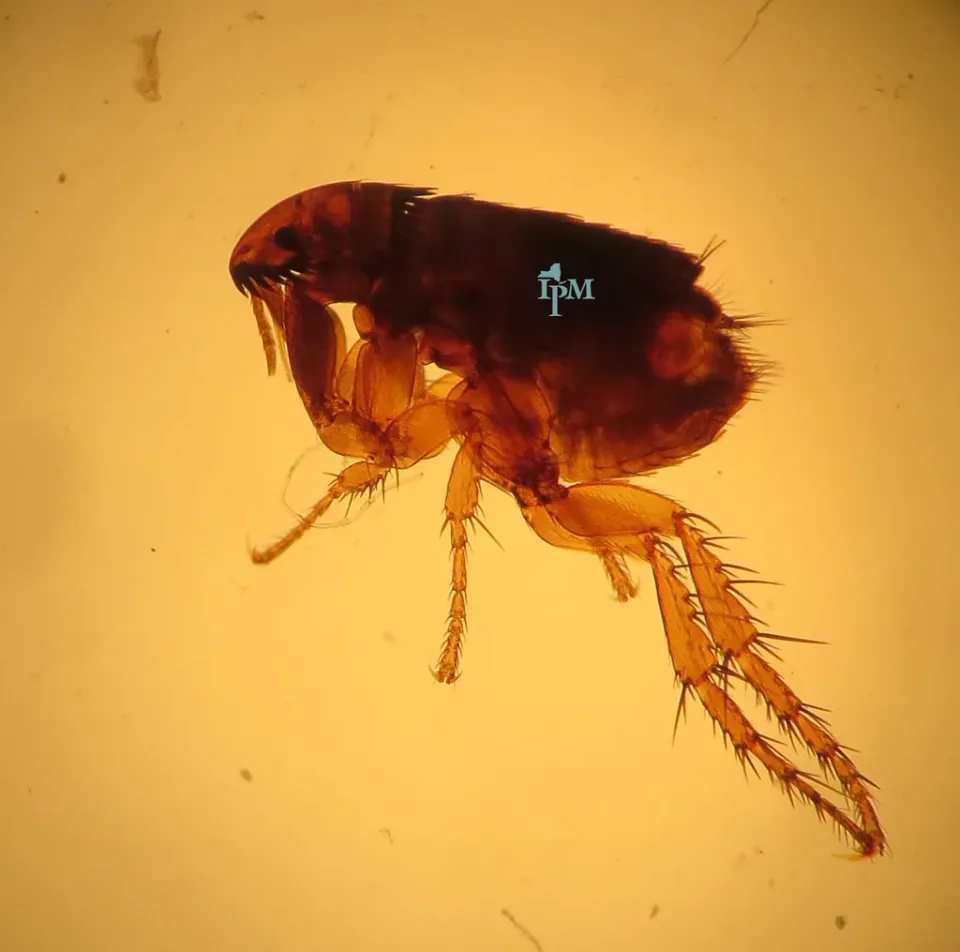
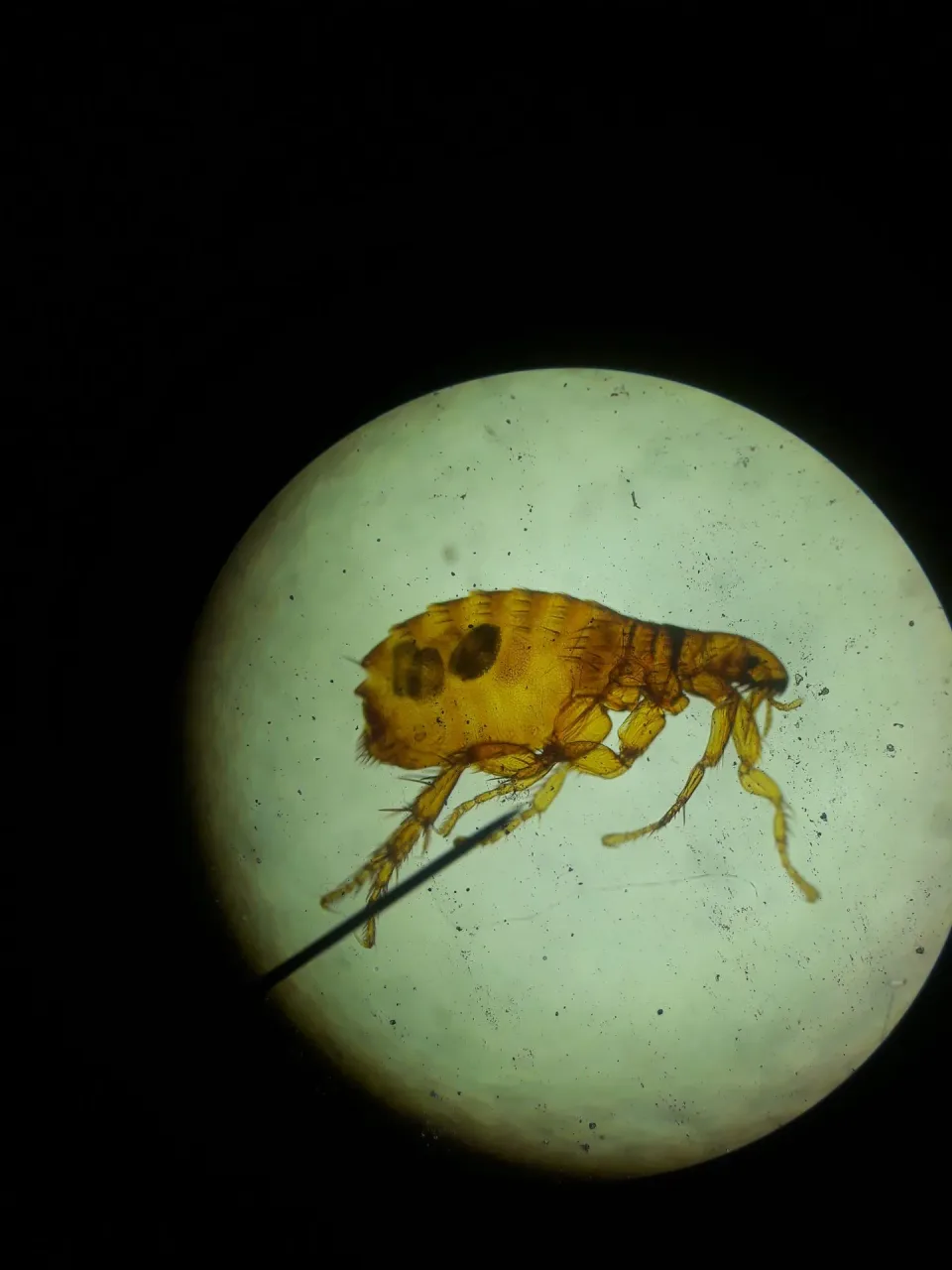
Fleas biting pets and family call for home treatment when bites continue or fleas show up indoors despite treating the pet. A few isolated bites after outdoor activity may not mean an infestation, but repeated signs in rooms where pets rest deserve a closer look.
-
Check the pattern: Note where and when bites appear, and whether pets are scratching.
-
Inspect resting spots: Look around pet bedding, rugs, and upholstered furniture for flea activity.
-
Treat the source: Ask your veterinarian about pet-safe flea control; home treatment alone will not address fleas on an untreated animal.
-
Consider the season: Wet spring weather can delay exterior treatments, so indoor inspection may be the practical first move.
Our crew can inspect likely activity areas and explain whether treatment is warranted. Near Hildene, The Lincoln Family Home, residents can plan around the fact that outdoor schedules may shift in wet conditions; if you live near the Brattleboro Museum & Art Center, the same indoor-first assessment helps avoid waiting on yard work before addressing fleas inside.
When do flea bites call for home treatment?
Fleas biting pets and family become a home-treatment concern when signs persist indoors, particularly around pet sleeping areas, rugs, or upholstered furniture. Start by checking the pet and its bedding, then look for activity where the animal spends time.
A single bite does not confirm a household infestation. Repeated bites paired with visible fleas or ongoing pet scratching are stronger reasons to investigate.
We begin with pest identification and inspection rather than treating every room by default. The decision turns on evidence and its distribution: activity in one limited area may call for a focused plan, while signs in several rooms can indicate a broader problem. That distinction matters because missed harborage the spots fleas use to remain near a host can leave the cycle going after a surface clean.
Does autumn yard debris affect indoor flea concerns?
Autumn leaf litter can shelter rodents and insects outdoors, so clearing debris near the home helps reduce places pests may settle. It does not prove that fleas are present indoors, and it is not a substitute for inspecting pet areas. If fleas appear inside after a pet has been outdoors, focus first on the animal’s resting places and the route it takes through the home.
For homes near Camel’s Hump State Park, outdoor activity may mean pets bring more than dirt inside; check bedding and floors after outings instead of assuming bites came from the yard. At the ECHO Leahy Center in Burlington, families often spend time in shared living spaces, making it useful to inspect the rooms where pets settle rather than treating based on one bite alone. Along Interstate 89, households with frequent trips may also want to check travel carriers and blankets if a pet rides in them.
When is DIY enough, and when should you call?
DIY steps are reasonable when you have an isolated concern, can identify the likely source, and see no continuing indoor activity after washing pet bedding and thoroughly vacuuming floors and furnishings. Follow product labels, avoid applying household pesticides to pets, and coordinate pet treatment with a veterinarian. Stop and seek professional advice if bites continue, fleas are seen in multiple rooms, or you cannot find the source.
The common failure is treating the visible spot while leaving other activity areas unchecked. Our crew records where signs appear and explains the proposed treatment before work begins.
A professional inspection is especially useful when the household has children, pets, or sensitive occupants and you need a clear plan for preparation and safe re-entry. The Flea Treatment team can assess whether targeted home service is appropriate.
How can Middlebury homes prepare for a visit?
Before service, clear access to pet resting areas and the edges of rooms where activity has been noticed. Wash pet bedding according to its care instructions, and vacuum thoroughly; empty the vacuum contents safely outside the living area. Do not apply additional products immediately before an inspection, since overlapping treatments can complicate the assessment.
Near Middlebury College, residents in busy shared housing can make the inspection more useful by noting which rooms have bites or sightings and whether pets use those spaces. Keep that record simple: dates, rooms, and observed signs. We explain findings plainly, identify preparation needs, and provide a service report so you know what was treated and what to monitor afterward.
Which Flea Response Fits the Signs at Home?
Choose based on whether evidence is limited to a pet or continues in the home; outdoor conditions can affect what is practical.
| Option | Best for | Key detail |
|---|---|---|
| Pet care plus cleaning | Isolated concern with no continuing indoor signs | Coordinate animal treatment with a veterinarian and clean resting areas |
| One-time pest treatment | Confirmed, limited household activity | Targets active signs; inspect again if bites continue |
| Recurring pest control plan | Repeated concerns that need ongoing monitoring | Visit frequency and coverage are set to the situation |
| Mosquito and tick treatment | Separate outdoor biting-pest concerns | Warm, humid summers can increase mosquito and tick activity |
Near Smugglers’ Notch State Park, variable mountain weather means site conditions can change with elevation, so a technician should assess the actual property. Summer rainstorms can leave basements and crawlspaces damp; keep those spaces accessible if inspection suggests checking them. No one option fits every home.
How Should You Prepare for Flea Home Treatment?
If fleas are biting your family after a pet rests on the living-room rug, start by noting the room and gathering the pet’s bedding. Clear details help the inspection stay focused.
-
Book an assessment: Describe where bites or flea sightings occur and when they began.
-
Identify occupants: Tell the technician about children, pets, and anyone with sensitivities before treatment is planned.
-
Clear treatment edges: Move small furniture and belongings away from the affected areas and baseboards.
-
Prepare pet items: Ask which bedding or washable materials should be laundered before service.
-
Make access possible: Point out relevant rooms and any foundation-side concerns; freeze-thaw cycles can widen foundation cracks, so note visible changes without assuming they are the flea source.
-
Follow directions: Keep pets and people away for the period stated on the pesticide label.
Properties near Killington Resort may have wooded surroundings, where tick and wildlife pressure is greater; report outdoor exposure if relevant. Ask for written preparation and re-entry instructions.
Get a Clear Plan for Fleas Biting Pets and Family
If flea bites keep appearing indoors, or you find fleas where pets rest, arrange an inspection rather than repeatedly treating just one visible spot. Cool nights can drive pests to seek indoor warmth, so check pet resting areas when household activity changes with the weather.
Heavy snowfall can block exterior access; tell the technician if snow limits a safe look around the home. Near Fort Dummer State Park, outdoor conditions may shape what can be inspected outside, while residents near Henry Sheldon Museum in Middlebury can note any seasonal changes in indoor signs. Our crew will explain findings and practical next steps.