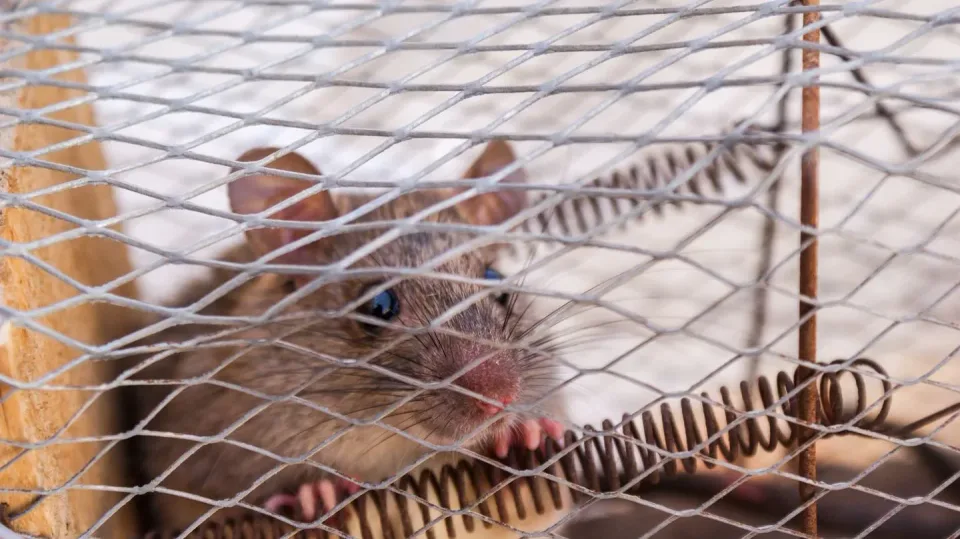
When Do Snap Traps Make Sense for Pantry Droppings?
Snap traps make sense when fresh mouse droppings point to a small, active problem and you can place traps safely along mouse travel routes. First, remove food from the affected cabinet and clean droppings carefully; don’t rely on a trap alone if signs keep appearing. Autumn leaf litter around a home can shelter rodents, so clear it back from the foundation and check nearby gaps.
At ECHO Leahy Center, Burlington, families see how living things use shelter; at home, clutter and undisturbed corners can offer mice similar cover. We use a careful inspection to distinguish isolated activity from a larger pattern. Start with these checks:
-
Look for fresh signs: Check for new droppings, gnaw marks, or disturbed food packaging.
-
Protect food: Discard contaminated items and move remaining food into sealed containers.
-
Place traps carefully: Set them where children and pets cannot reach them.
If fresh signs return, get the activity inspected before adding more traps.
What does a droppings trail tell you?
Droppings inside a pantry mean a mouse has found a route to food, but they don’t reveal how many mice are present or where they entered. Snap traps are reasonable when you see limited, recent activity and can monitor the traps daily.
Avoid scattering traps around without a plan. We look for repeat signs along cabinet edges, behind appliances, and where pipes pass through walls, then relate those clues to the home’s layout.
Cool nights can push mice indoors in search of warmth, so a quiet pantry may suddenly show fresh activity as temperatures drop. In homes near Fort Dummer State Park, wooded surroundings make it especially useful to check outdoor storage and the foundation perimeter as well as the kitchen. The point is not to assume the landscape caused an infestation; it is to inspect likely access and shelter around the property.
When should you stop relying on snap traps?
Stop treating it as a simple trap job if droppings keep appearing after several days, show up in multiple cabinets, or you hear activity in a wall or ceiling. A common failure we see is a trap placed in the open instead of against a wall where mice tend to travel. Another is leaving accessible food in place, which can make the trap less attractive.
Heavy snowfall can block exterior vents and make some outside inspection points difficult to reach. Before snow covers those areas, note where vents and utility openings are; don’t block a vent yourself to close a suspected mouse route. We check accessible entry points and explain what can safely be sealed. That gives you a clearer plan than simply resetting a trap.
Can you handle one mouse yourself?
You can try a small, contained DIY response if droppings are limited to one area, food is secured, and you can check traps every day. Wear disposable gloves during cleanup, avoid sweeping or vacuuming dry droppings, and follow public-health cleanup guidance. If you cannot tell whether the signs are fresh, take a photo and track whether new droppings appear after cleaning.
The Lake Champlain shoreline can bring localized humidity and wind exposure, so exterior conditions differ from one property to another. That’s a reason to assess the actual building rather than assume every home has the same entry route. Our inspection connects pantry activity with accessible exterior gaps and other signs in the home.
When is professional mouse control the better choice?
Call for an inspection if activity continues, droppings appear in several rooms, or you find signs near food storage that you cannot safely reach. Our crew identifies activity, checks likely travel paths, and explains whether snap traps, monitoring, or exclusion are appropriate. We do not recommend adding treatment without first understanding what the signs show.
For a practical look at mouse activity and next steps, read our guide to pantry droppings and snap traps. If you need a closer look at your property, our mouse control service starts with inspection findings and a treatment plan suited to the home.
Which Mouse Control Option Fits Pantry Droppings?
The right choice depends on whether you have one contained sign, repeated activity, or a route that needs to be closed.
| Option | Best for | Key detail |
|---|---|---|
| Snap traps | Limited, accessible mouse activity | Check placement and results daily; keep traps away from children and pets. |
| Bait stations | A planned rodent-control approach | Stations target rodents; a technician can inspect and replenish them during follow-up visits. |
| Exclusion | A known route into the home | 1/4-inch mesh hardware cloth can help close suitable openings when installed securely. |
| Professional inspection | Ongoing or unclear pantry signs | 1/4-inch rodent entry gaps can be enough for a mouse to get inside. |
On properties near Interstate 89, travel access may help with scheduling, but the home’s condition not the road determines what work is needed.
How Do You Prepare for Pantry Mouse Traps?
Fresh droppings in a pantry cabinet are upsetting, especially when food is stored nearby. Secure food first, then decide whether a trap can be placed and checked safely.
-
Photograph the signs: Record where you found droppings before cleaning, so you can compare the location if new signs appear.
-
Clear the cabinet: Remove food and dishes, discard contaminated packages, and place usable food in sealed containers.
-
Clean with care: Wear gloves and follow public-health guidance; don’t sweep or vacuum droppings dry.
-
Set and monitor: Put a snap trap along a likely travel edge, out of reach of children and pets, and check it daily.
-
Watch other areas: Note signs near sinks, baseboards, and utility lines; tell the inspector what you found.
-
Arrange an inspection if signs persist: Provide access to relevant areas and ask what findings support the proposed next step.
Summer rainstorms can leave basements and crawlspaces damp, so mention any moisture or access problems when arranging an inspection. Montpelier Downtown Historic District has older buildings where cabinet activity may need to be considered alongside building details, not just trap placement.
Ready to Address Pantry Mouse Droppings?
A snap trap is a sensible first step when activity appears limited, the trap can be placed safely, and you can check it regularly. Repeated droppings call for a closer look at how mice are reaching the pantry.
Freeze-thaw cycles can widen foundation cracks, so check accessible edges of the building as well as the cabinet. In inland valleys, colder winter nights than lakeside areas can make indoor shelter more attractive to mice; don’t assume one trap resolves the route. Request mouse control service or call (877) 729-2528.